

Tadatoshi Sato, PhD
 By DoM Communications | Date published: November 17, 2025
November Researcher Spotlight: Tadatoshi Sato, PhD
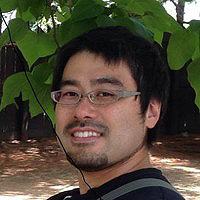
In this month’s Researcher Spotlight, we feature Tadatoshi Sato, PhD, assistant professor of medicine in the Division of Rheumatology. Dr. Sato’s research focuses on gene and cell therapy for skeletal rare diseases, as well as bone and connective tissue targeting, and autoimmune, skeletal, and connective tissue disorders.
Dr. Sato's research career began with an interest in nutrition. He earned his bachelor's, master’s, and PhD degrees in nutrition at the University of Tokushima and the University of Tokushima Graduate School in Tokushima, Japan. After coming to the United States, Dr. Sato joined the Department of Oral Medicine, Infection, and Immunity at Harvard School of Dental Medicine in Boston as a postdoctoral research associate. During this time, Dr. Sato shifted his research focus from calcium absorption to phosphate regulation, investigating the roles of Klotho and the phosphaturic hormone FGF23 in the parathyroid gland, kidney, and bone, and the effects of parathyroid hormones on renal calcium.
Dr. Sato then became an instructor in the Department of Medicine, Endocrine Unit at Harvard Medical School and Massachusetts General Hospital (MGH) in Boston, where his research interest transitioned to bone biology, with a specific focus on osteocytes. “An osteocyte is a unique bone cell, along with the osteoblast and osteoclast, but I was more focused on the osteocyte when I started at MGH,” said Dr. Sato. At MGH, Dr. Sato’s work centered on studying the molecular mechanisms that control the downstream signaling of mechanical stress to increase bone formation and bone mass, and the development of novel orally available small molecule inhibitors of the Salt Inducible Kinase, which are new anabolic agents of osteoporosis therapy.
In 2022, Dr. Sato was recruited to UMass Chan Medical School by Jae-Hyuck Shim, PhD, associate professor of medicine in the Division of Rheumatology. He became a tenure-track assistant professor in the Division of Rheumatology and established his own research lab in 2024. Currently, Dr. Sato and his team focus on gene therapy for skeletal rare diseases and bone connective tissue disorders, specifically osteogenesis imperfecta (OI), a condition characterized by extreme fragility of the bones. With the support of an R21 funding award, Dr. Sato and his colleagues are also developing precision gene editing techniques for OI. According to Dr. Sato, developing OI cell therapy has several challenges, such as limited mesenchymal stem cells from healthy donors, susceptibility to transplant damage, bone targeting complexities, and immune rejection risks. To address these needs, Dr. Sato works collaboratively with Dr. Shim, co-principal investigator of the study, on developing and evaluating in vivo gene editing strategies to repair collagen mutations in mouse models of OI using bone-targeting recombinant adeno-associated virus (rAAV).
Reflecting on his research, Dr. Sato shares that one of the most challenging aspects of his work is determining how certain molecules are linked to disease. “Beginning an investigation with a molecule presumed to be implicated in a disease does not necessarily result in confirmation of its pathogenic role,” said Dr. Sato. “That’s why it's crucial to receive feedback from other physician-scientists who study these pathological and physiological conditions and figure out why the particular signaling in such situations is so important. Also, collaborating with physician-scientists to evaluate human samples is becoming increasingly important, as in vitro and in vivo studies using animal models may not always reflect the pathological conditions.”
Beyond his research in the lab, Dr. Sato also serves as an assistant professor at the Horae Gene Therapy Center at UMass Chan and the Department of Translational Science. He additionally serves as a consultant in medicine in the Endocrinology Unit at Massachusetts General Hospital.
Please join us in thanking Dr. Sato for his ongoing research contributions in the field of Rheumatology and beyond!